



An important cultural asset of Japan! What is Kumejima Tsumugi, a traditional handicraft of Kumejima Island? Thorough explanation of the features and charms of Kumejima Tsumugi
Table of Contents
- 1 What is Kumejima Tsumugi, designated as a National Important Cultural Property?
- 2 What is Tsumugi?
- 3 Characteristics of Kumejima Tsumugi
- 4 History of Kumejima Tsumugi
- 5 What is the production process of Kumejima Tsumugi?
- 6 Let's learn about Kumejima Tsumugi at Uimarukan, the home of Kumejima Tsumugi Let's learn about Kumejima Tsumugi
- 7 Rental cars are recommended for sightseeing in remote islands! Book your rental car in Kumejima as early as possible!
- 8 summary
What is Kumejima Tsumugi, designated as a National Important Cultural Property?
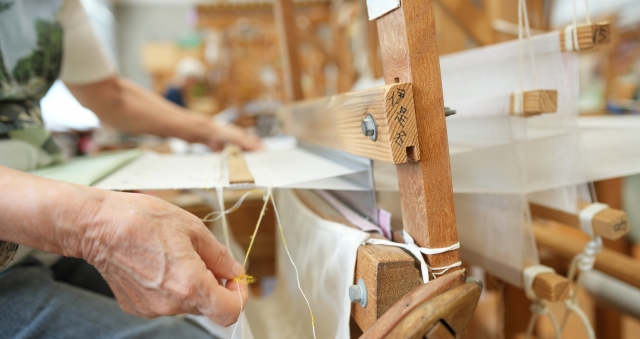
Have you ever heard of Kumejima Tsumugi, a craft designated as an important intangible cultural asset on Kumejima Island?
Kumejima tsumugi is a traditional Kumejima textile with unique colors and textures created by natural dyes and mud dyeing, and is highly rare.
Along with the development of the sericulture industry, which is said to have spread from the 14th to 15th century, Kumejima tsumugi was spread throughout Japan, and is the origin of the pongee used in Japanese textiles.
Kumejima tsumugi, in particular, is made with the craftsmen's passion, and the unique suppleness and elegant texture of the tsumugi silk threads are said to create elegance and comfort.
In this issue, we will introduce the history and characteristics of Kumejima Tsumugi, so please take a look.
◆Those who want to know about Kumejima Tsumugi
◆If you want to know about important cultural properties on Kume Island
If you want to know what activities you can enjoy in Kume Island, please contact us.
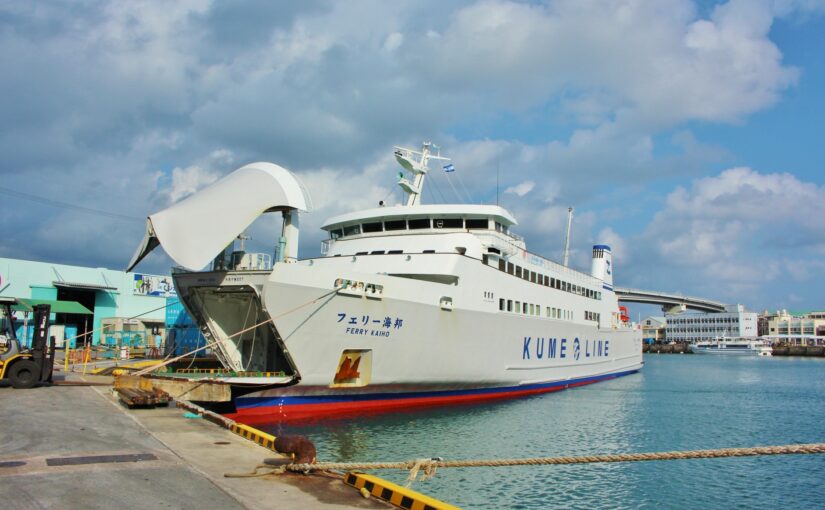
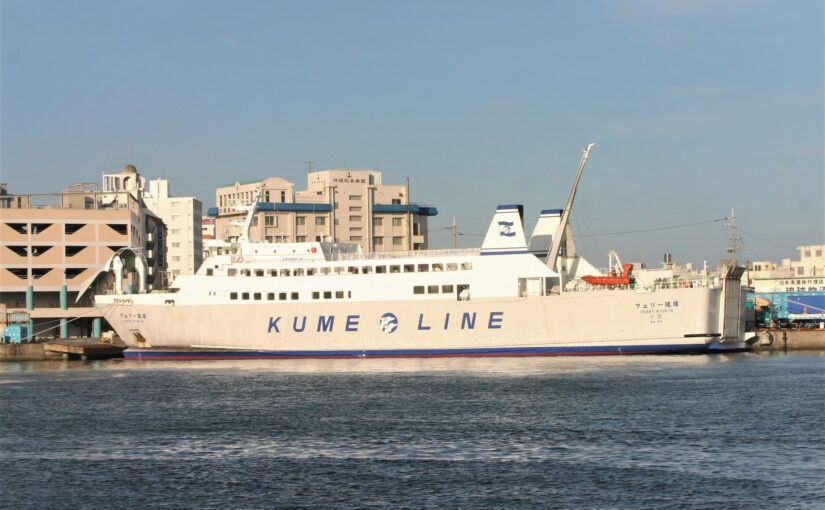
Here you will find information about sightseeing trips to Kume Island, including how to get there and how to get around!
Learn more about how to get to Kume Island.
Click here to see the ranking of popular tours on Kume Island.
What is Tsumugi?
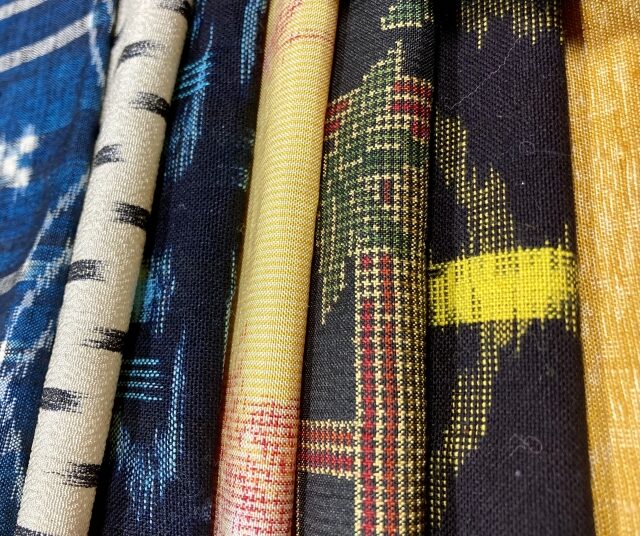
Yarn silk is a yarn-dyed fabric made from silk threads, which are made from silkworm cocoons, used for the surface of the cloth.
It is characterized by the slippery feel and elegant luster characteristic of skillfully woven silk threads.
Yarn-dyeing is a method of expressing various patterns by dyeing and weaving from the thread state.
This technique requires delicate skills to weave the yarn, which is dyed first, using a machine or hand loom.
Each piece is carefully hand-woven by a single weaver, making it a precious object.
⬇︎Here are some popular plans for Kume Island



⬇︎ Learn more about popular plans for Kume Island
Characteristics of Kumejima Tsumugi
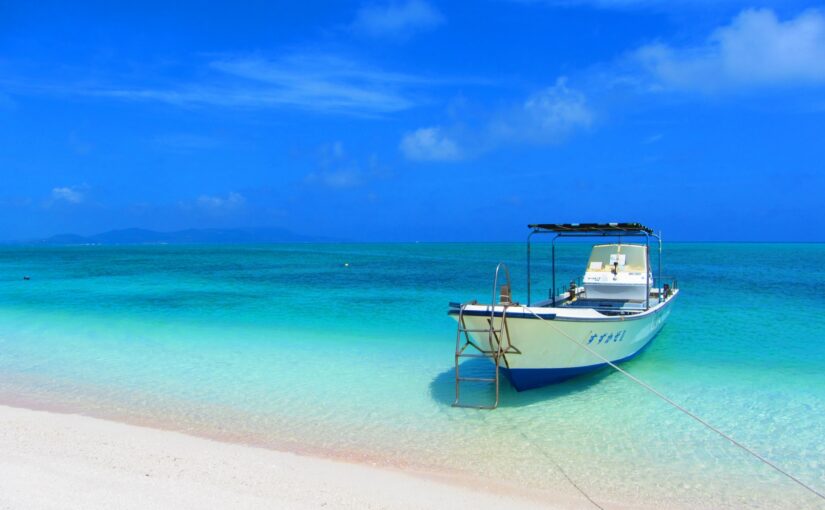
Kumejima Tsumugi has several unique characteristics not found in any other textile.
This affects not only the color and other aspects of appearance, but also the comfort and feel of the cloth, making Kumejima tsumugi a rarity.
Please continue to enjoy the following detailed description of the characteristics of Kumejima Tsumugi.
Unique colors created by natural dyes
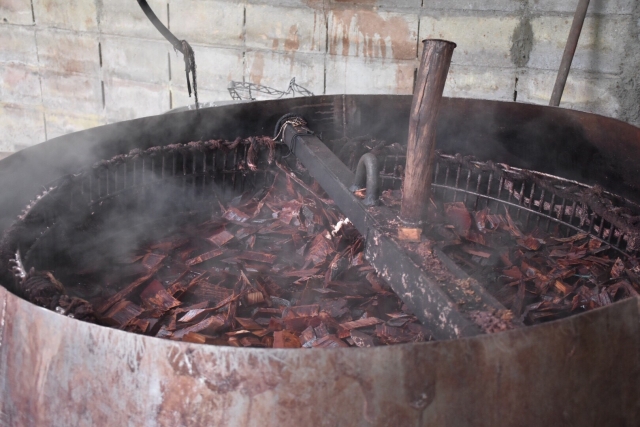
The greatest feature of Kumejima tsumugi is the use of natural dyes for dyeing.
Kumejima tsumugi has five colors, called the basic colors, and dyes are essential to bring out the deep hues of each color.
For the dyes, we use plants unique to Kumejima and mud from the area, and dye the fabric using the mud dyeing and herb dyeing techniques.
The plants are mainly ghouls, tecacchis, yangmei, yuna, kurbo, etc., which are found in the mountainous areas of the island.
The shades produced by these natural materials are often glossy, subdued, and black, but some are also yellow or young grass, and all are dyed in unique and beautiful colors.
kasuri (cloth wrapped around the kimono before being tied or pinned on the back)
The "kasuri pattern", which is said to be the standard for Kumejima tsumugi, is one of the pattern weaves, characterized by the fact that the design appears to be faded.
According to a document from Kumejima, the kasuri weaving technique used to weave this kasuri pattern was introduced to Kumejima from Amami Oshima around 1907.
To weave kasuri, a bundle of threads is partially woven together with cotton threads, dyed after dyeing with antistaining.
Comfortable to wear
Kumejima tsumugi is highly valued throughout Japan not only for its unique design, color, and luster, but also for its comfort.
In particular, the fabric itself is soft, supple, and warm, and the wearer is highly satisfied.
The fabric itself is also known for its durability and is popular as a long-wearing textile.
History of Kumejima Tsumugi
The history of Kumejima Tsumugi is very old, dating back to the Muromachi period.
According to an old history book, it was around the end of the 14th century that a man named Dounohiya from Kumejima began to communicate with people from China, which led him to go to China to learn sericultural techniques, and later he returned to Kumejima to pass on these techniques.
Later, Kageyu Tomoyori from Satsuma taught the weaving method and yarn dyeing method of silk pongee. This is how the technology of pongee production progressed dramatically.
The culture of pongee throughout Japan is believed to have spread from Kumejima and spread to the mainland. Many pongee products that are believed to have originated in Kumejima, such as Oshima pongee, Yuki pongee, and Kurume pongee, are still in existence.
What is the production process of Kumejima Tsumugi?
In general, the production process of Kumejima Tsumugi is as follows.
Here we introduce the production process in detail.
thin strips of raw fish and squid
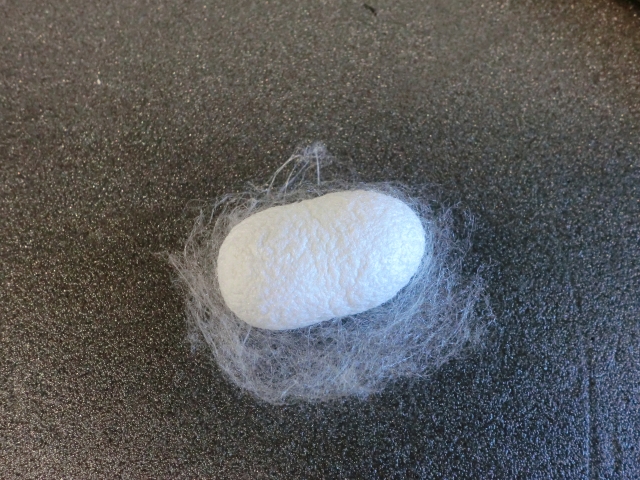
First, silkworm cultivation begins with raw silk, which is prepared by boiling cocoons to make the cocoon threads more loosened.
Next, impurities are removed by refining, and the cocoons are refined and spun into yarn through the cotton-making process.
↓arrow (mark or symbol)
Design (design, etc.)
Designing and making kasuri, making marking sticks and seed yarns, thread preparation, kasuri rolling, etc.
↓arrow (mark or symbol)
Staining
The glue is removed and then dyed with mud or vegetable paint dyes.
↓arrow (mark or symbol)
Fiber Preparation
Weaving work performed by textile machinery, etc.
↓arrow (mark or symbol)
Product Finishing
The finished product is then dried naturally, ground, tataki-finished (tataki-finishing), and finished with hot water.
At Uimarukan, the home of Kumejima Tsumugi
Let's learn about Kumejima Tsumugi
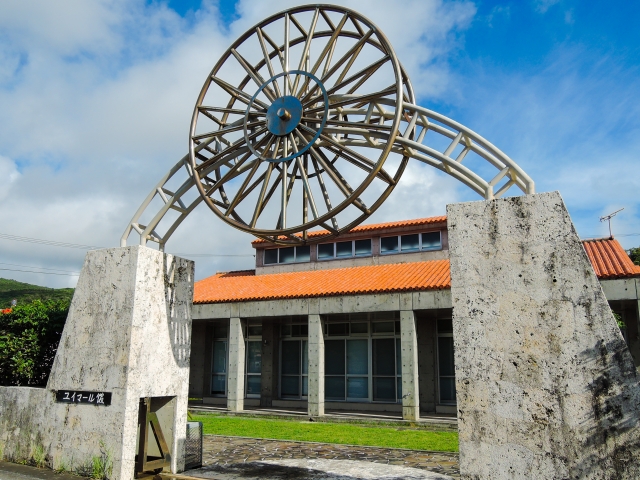
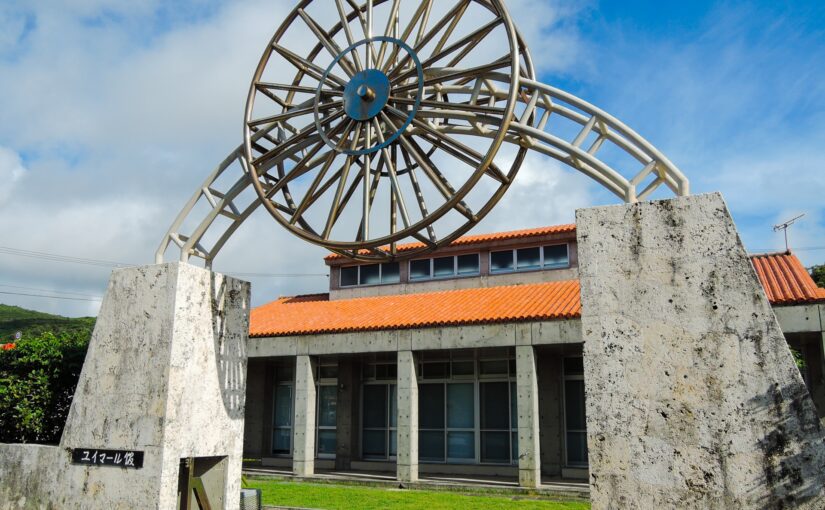
Uimarukan, the home of Kumejima Tsumugi, is widely known as a center for tourism of Kumejima Tsumugi and traditional crafts of Kumejima.
This facility is not only recommended as a sightseeing spot, but also as a place where you can learn more about Kumejima Tsumugi, so it is definitely a place to visit with your family.
Facility Features
The facility includes an exhibition and resource center, a uimar hall, and hands-on facilities.
The history and production process of Kumejima Tsumugi are exhibited in the Exhibition and Reference Center, and the Yuimar Museum displays and sells pre-tailored Kumejima Tsumugi materials, Kariyushi wear worn at events, and processed business card cases, which can be seen only here.
At the hands-on facility, both children and adults can try their hand at weaving and dyeing Kumejima silk, and visitors can take home the woven and dyed items they have made.
Basic Information
Hours: 9:00 - 17:00 (last admission at 16:30)
Closed: Year-end, New Year's, Lunar New Year's, etc.
Admission: Adults 200 yen, Children (elementary and junior high school students) 100 yen
Other group rates available
Parking: Yes
Address: 1878-1 Aza Masha, Kumejima-cho, Shimajiri-gun, Okinawa, Japan
▼Kumejima Tsumugi no Sato More about Yuimar Pavilion ▼
Enjoy a variety of experiences!
At Kumejima Tsumugi no Sato Yuimarukan, you can not only see exhibits and the production process of Kumejima Tsumugi, but also experience weaving and dyeing the silk yourself to create your own works.
Although you cannot experience the entire production process, you can experience the most fun and highlighting process of finishing Kumejima Tsumugi, so why not participate in the experience at the facility?
coaster weaving
Coaster weaving is a casual weaving experience that can be enjoyed by everyone from children to the elderly.
You will be able to make coasters with the perfect texture for Kumejima-yaki coffee cups made from Kumejima's native clay.
Duration: 30 minutes
Fee: Adults 2200 yen, Elementary school students and younger 2000 yen
bandana dyeing
In bandana dyeing, visitors can experience the traditional technique of dyeing each piece by hand.
The atmospheric finish that only hand-dyeing can give each bandana a different look and texture is another charm.
Duration: 60 minutes
Fee: Adults 2400 yen, Elementary school students and younger 2200 yen
shawl
Shawl dyeing uses plant dyes, which are gentler on the hands than synthetic dyes, and can be used to dye shawls in natural shades.
The ability to express dull colors and natural irregularities in the dyeing process is also a unique attraction of the herb-dyeing process.
Try making a stylish silk-dyed shawl, which cannot be done with synthetic or chemical dyes.
Duration: 90 minutes for shawls of all sizes
Price: (Large) 5,700 yen, (Small) 3,700 yen
A rental car is recommended for sightseeing in the islands!
Book your rental car on Kumejima Island early!

A rental car is recommended for getting around on Kume Island!
It is recommended because we can move around during the trip and also at our own timing, such as early morning (sunrise), sunset, or a short trip outside to see the stars!
▼Kumejima IslandClick here ▼ for recommended car rentals.



Kumejima Car RentalLearn more about ▼

summary

In this article, we have reported on the production process, history, and charm of Kumejima Tsumugi, which cannot be missed when talking about the traditional culture of Kumejima, along with some recommended spots.
While resort sightseeing at the beach is a good way to see Kumejima, learning about the history and culture of Kumejima through experiencing traditional crafts will also make your trip more profound.
When you visit Kumejima, why not enjoy learning about Kumejima Tsumugi and experience the essence of Kumejima culture?
▼Click here for articles to read in conjunction with this article.