

The Complete Guide to Manta Ray Diving on Kumejima! Explaining the Best Season and Popular Spots Like Tonbara
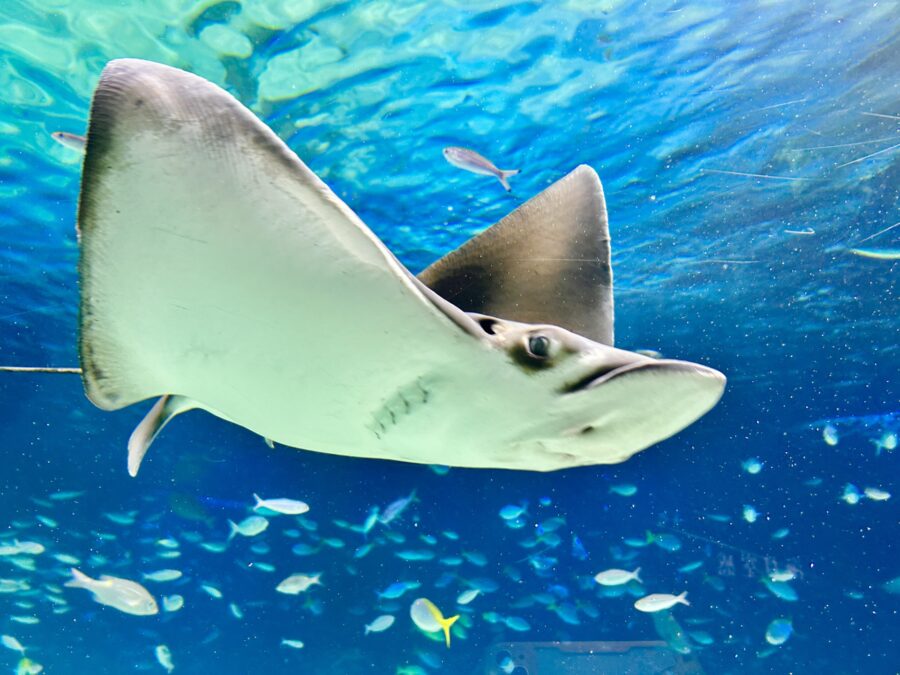
Make your dream of swimming with manta rays on Kumejima come true!
The Complete Guide to Manta Ray Diving
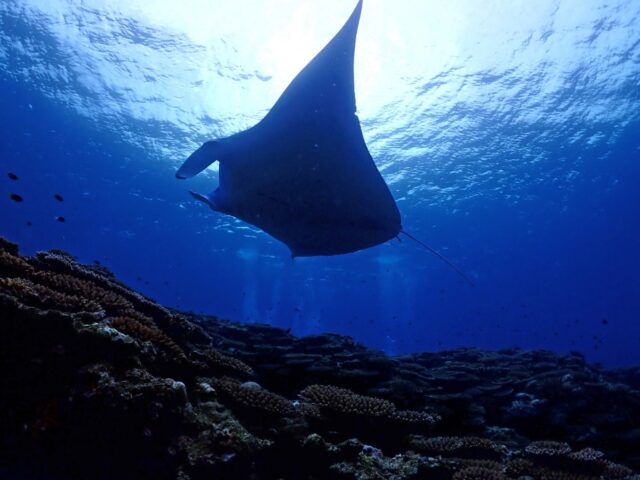
"I want to see manta rays on Kumejima." The place that makes that dream come true is,High Manta Ray Sighting RateThis is the ocean off Kumejima.
In this column, we cover everything from the best season to see manta rays on Kumejima and popular spots to accident prevention tips you should keep in mind.The Basics of Manta Ray Diving in KumejimaI'll explain all of these in detail.
Be sure to check this out before your trip.
◆For those who want to know the best season to see manta rays on Kumejima
◆For those who want to know the highlights of manta ray diving in Kumejima
◆For those considering recreational or introductory diving on Kumejima
Click here to see the ranking of popular tours on Kume Island.
You Can See Manta Rays on Kumejima
When is the best season?
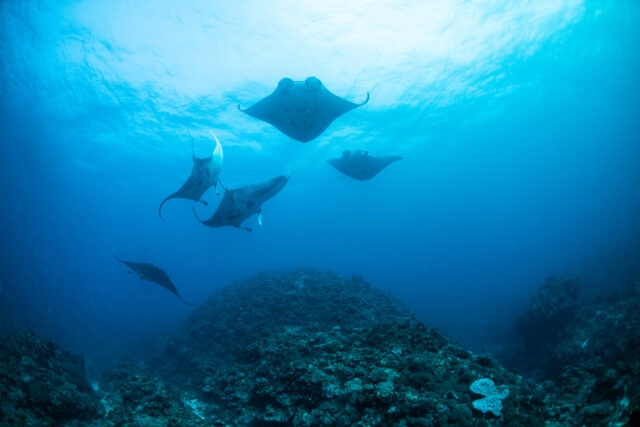
Thanks to the “Manta Station,” which was discovered on Kumejima in 2017,Throughout the yearIt is known as an island where you can easily see manta rays.
The conditions are especially good in the winter, so I’d recommend it even for first-timers.
With the discovery of Manta Station,
Can be encountered year-round
Discovered in November 2017 by Muneyoshi Machida of Kumejima Diving, “Manta Station” is also appealing for its convenient location—just a 10-minute boat ride from Iefu Beach.
Since the water depth is relatively shallow—around 7 to 18 meters—it’s a dive site where even less experienced divers can dive with confidence.
Not only can you see manta rays year-round, but they’re also a rare sight in Japanblack manta rayYou might even run into one!
We recommend the winter season from December through March

You can spot manta rays off Kumejima year-round, but during the winter season from December to March, the ocean...High transparencyThis is the time of year when you're more likely to see them, and you'll have more chances to encounter other large marine creatures besides manta rays.
In winter, the north winds pick up, so we tend to focus on spots on the south side—but that means your chances of encountering big fish go way up!
Why not bundle up and enjoy the Kumejima Blue at its best during this prime season?
Manta Ray Diving in Kumejima
Top 3 Popular Spots
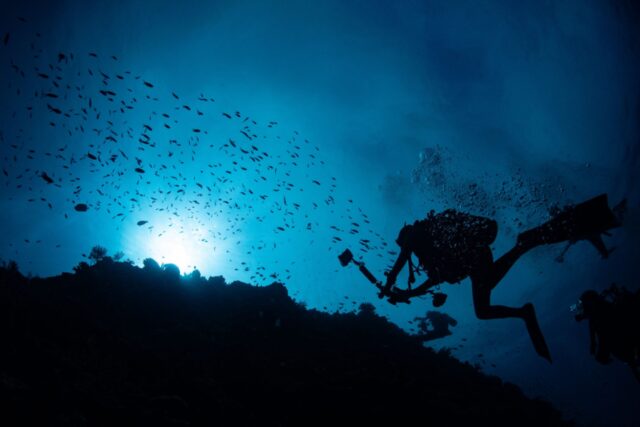
There are more than 30 dive sites on Kumejima, but among them, the most popular ones are those where you’re most likely to encounter manta rays and large migratory fish.3 pointsHere are some highlights.
Each one has its own unique features, so please use this as a guide when choosing a location.
Manta Station
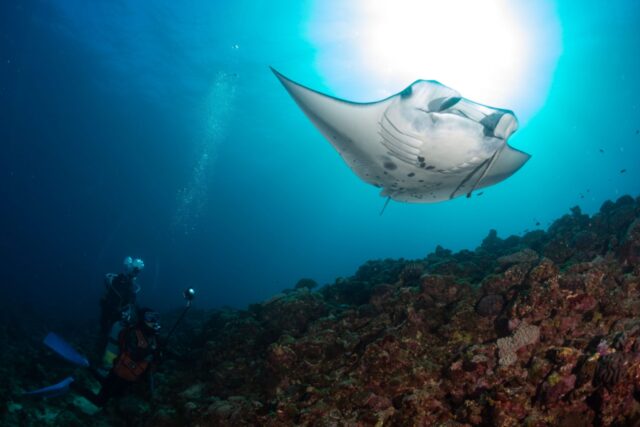
Located about a 10-minute boat ride from Eef Beach, this is Kumejima’s premier manta ray spot.
It’s a cleaning station made up of a series of long, slender roots, where you can take your time observing manta rays as small fish clean their bodies.
Since the water is fairly shallow,beginnerIt's great that even beginners can dive here with peace of mind!
thongbara
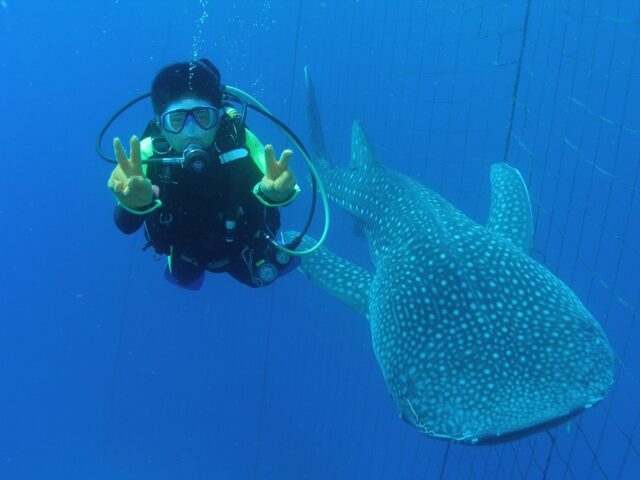
This is a major diving spot—essentially synonymous with diving on Kumejima—centered around a massive rock rising approximately 50 meters from the sea off the southern coast of Kumejima.
Bigeye TunaIn addition to schools of fish such as the giant trevally, hammerhead sharks sometimes appear in winter, and whale sharks in summer.
Since the current can sometimes get strong, we recommend diving with an experienced guide!
chili pepper (chile, chilli)
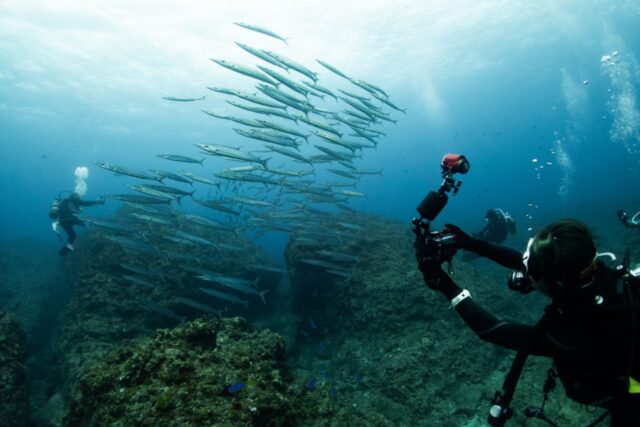
It is one of Kumejima’s two major attractions, alongside Tonbara, and is located on the northern side of the island.
Such as giant trevally and barracuda,With an abundance of fish,...and the appeal lies in being able to enjoy these dynamic schools up close.
With its varied terrain, this is the perfect spot for divers who love wide-angle photography!
No matter how many times you dive, it will reveal a different view each time.
Kumejima Diving Tour
Click here to see the ranking
Kumejima Diving Tour
▼Check out our recommendations here▼
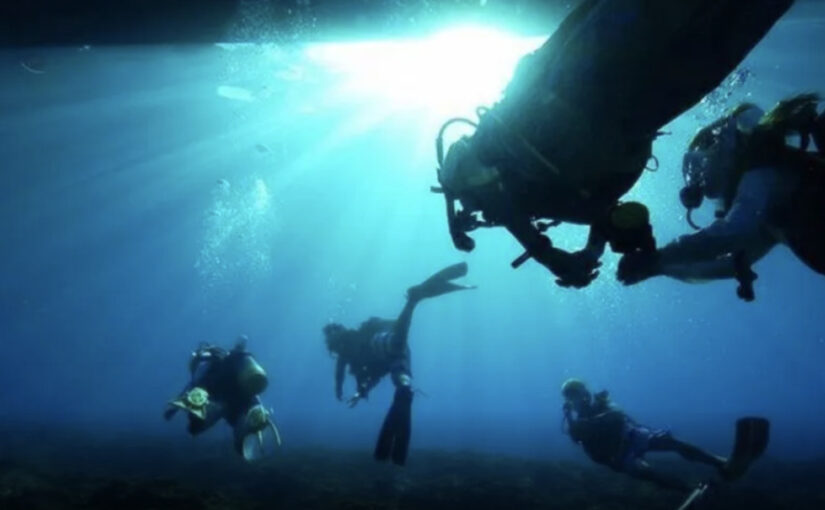
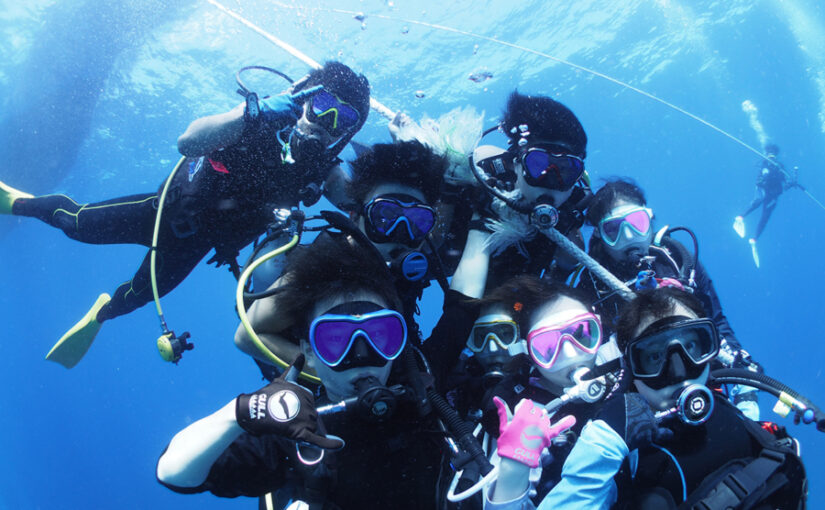
▼Click here for more details about diving in Kumejima▼
It's not just manta rays!
Marine Life You Can Encounter on Kumejima
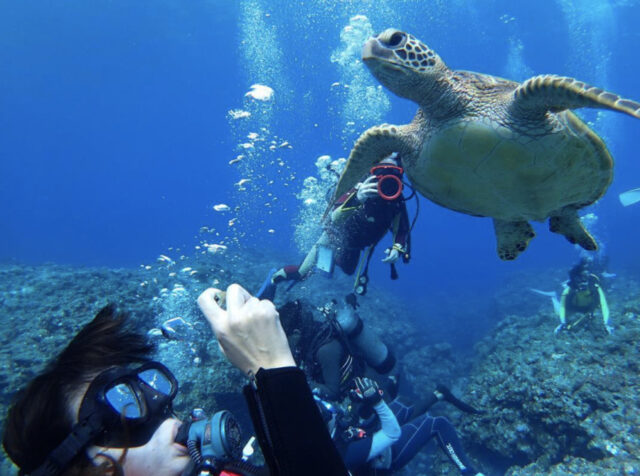
The waters around Kumejima are home not only to manta rays, but also to sea turtles andLarge migratory fishThere are so many fascinating creatures, like these!
One of the joys of diving in Kumejima is that the variety of marine life you can encounter changes with the seasons.
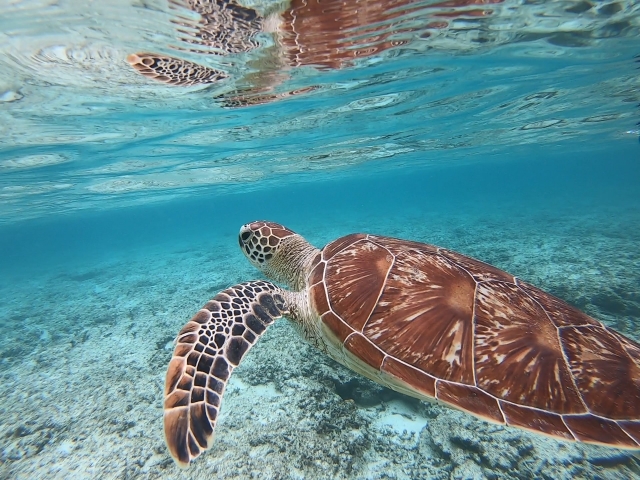
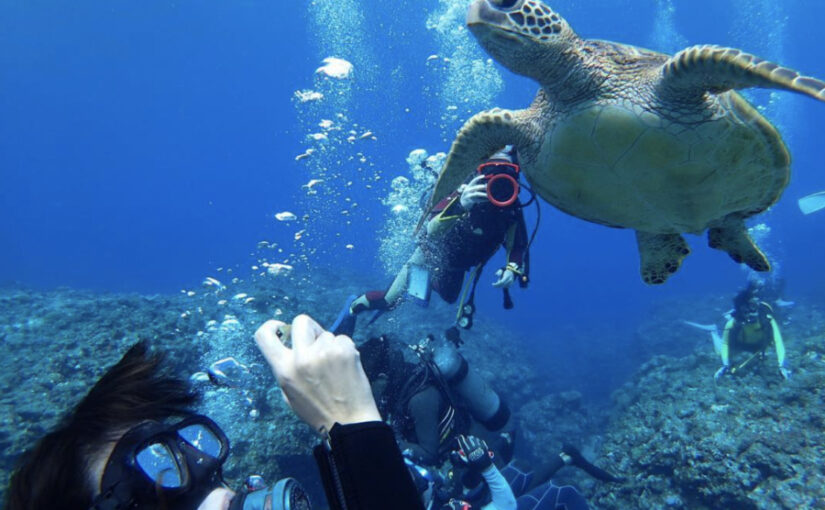
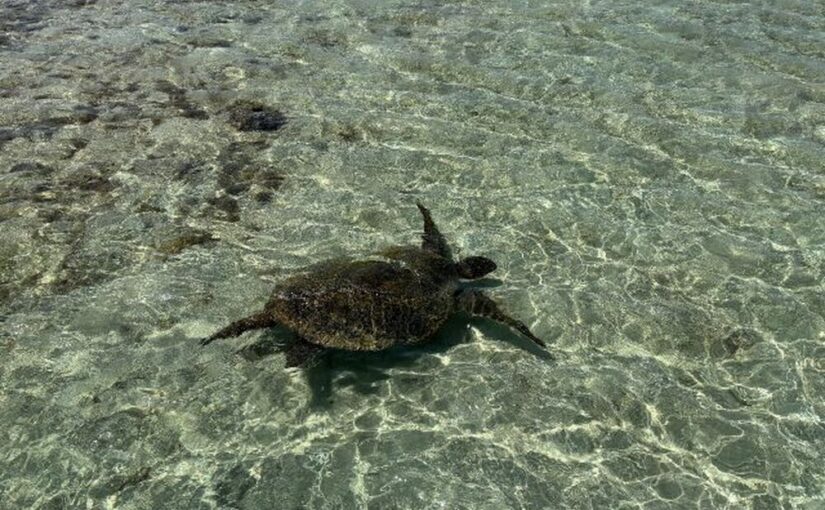
sea turtle
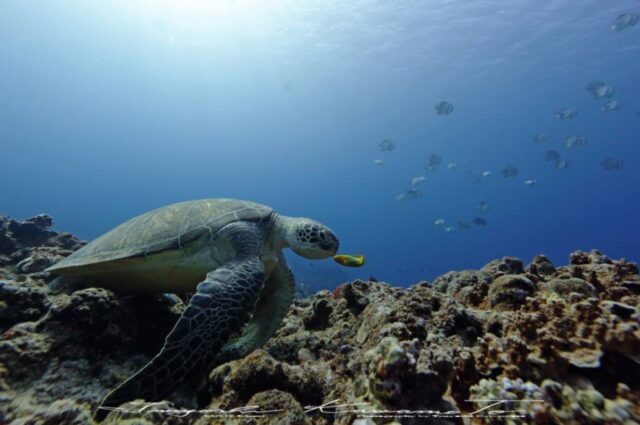
On Kumejima, as the warmer months arrive, more sea turtles come to lay their eggs, andgreen turtle (Chelonia mydas)Your chances of encountering loggerhead sea turtles will increase significantly.
Watching them swim leisurely is sure to provide a soothing experience quite different from that of manta rays.
You may even come across individuals resting on the sandy bottom, making them a popular subject among divers who love photography.
Kumejima Sea Turtle Tour
Click here to see the ranking
▼Click here for our recommended sea turtle tours▼
▼Click here for more information about sea turtles▼
whale shark (Rhincodon typus)
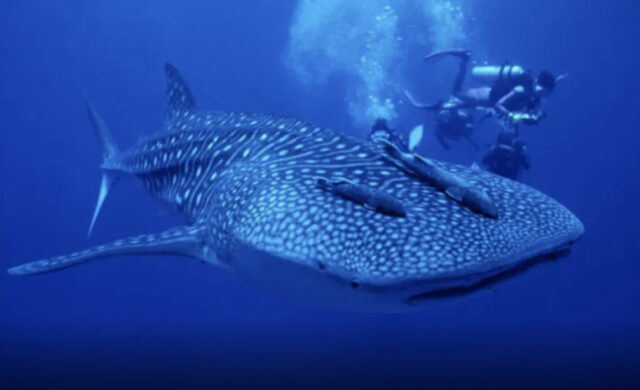
One of the world's largestIf you're lucky, you might even spot a whale shark in the waters around Kumejima.
Sightings in the Tonbara area tend to increase, especially from around April through July.
Seeing them swim gracefully with their massive bodies is a truly unforgettable experience!
Okinawa Main Island Whale Shark Tour
Click here to see the ranking
Hammerhead Shark
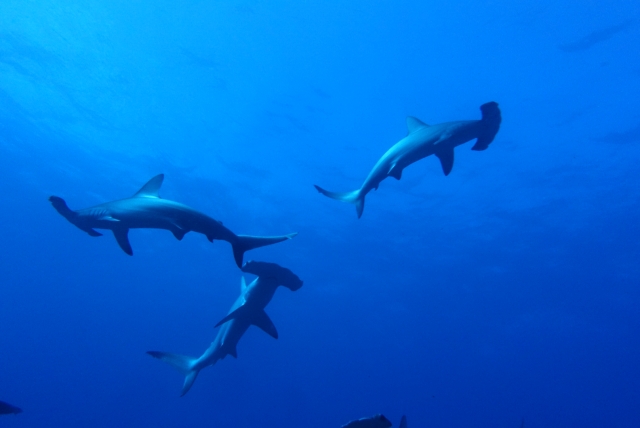
In winter on Kumejima, you’re more likely to encounter schools of hammerhead sharks.
Especially from December through March, schools of these fish are sometimes spotted at big-game dive sites like Tonbora, making them extremely popular among divers targeting large fish.
Since encounters often occur in areas with strong currents,After gaining some experienceI recommend giving it a try.
humpback whale (Megaptera novaeangliae)
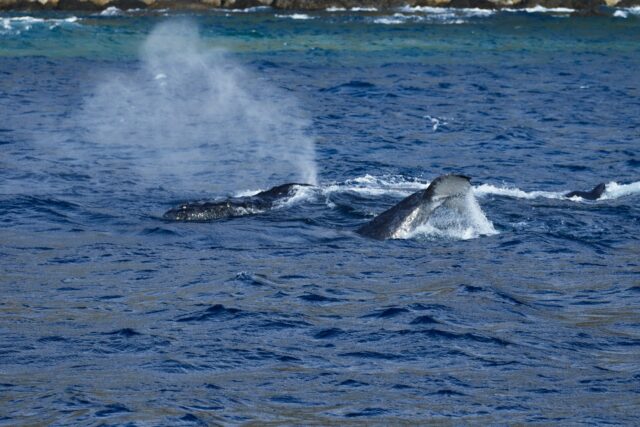
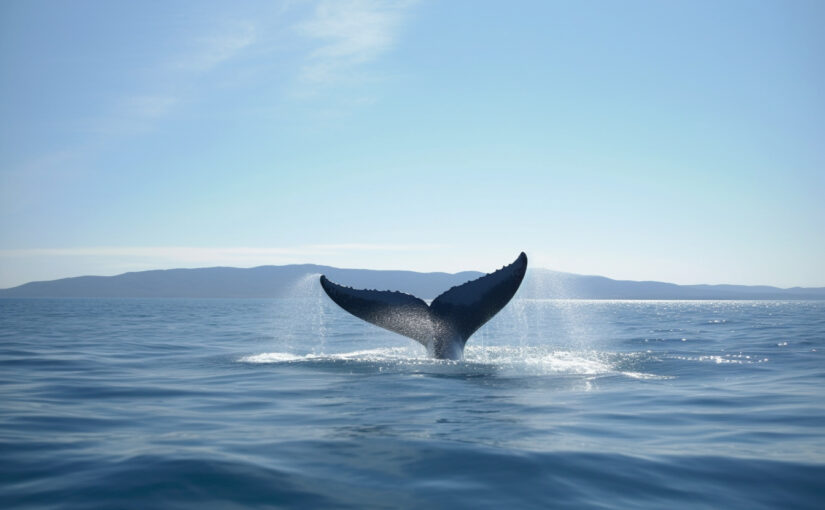
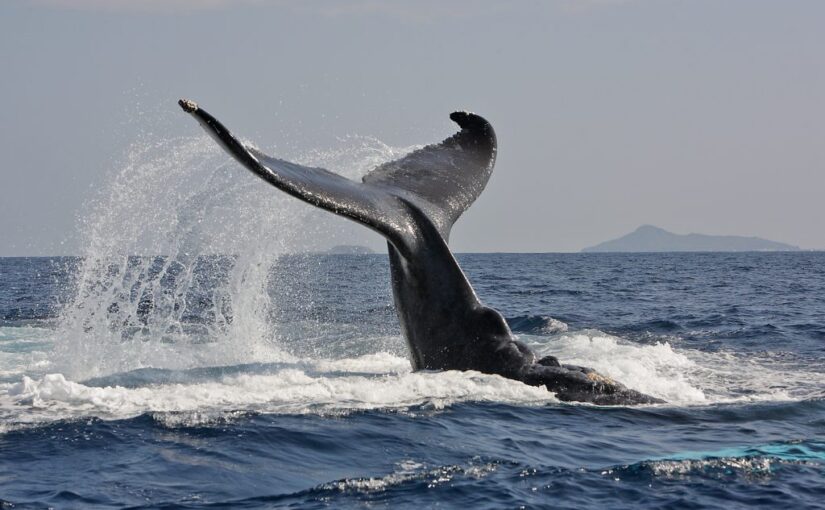
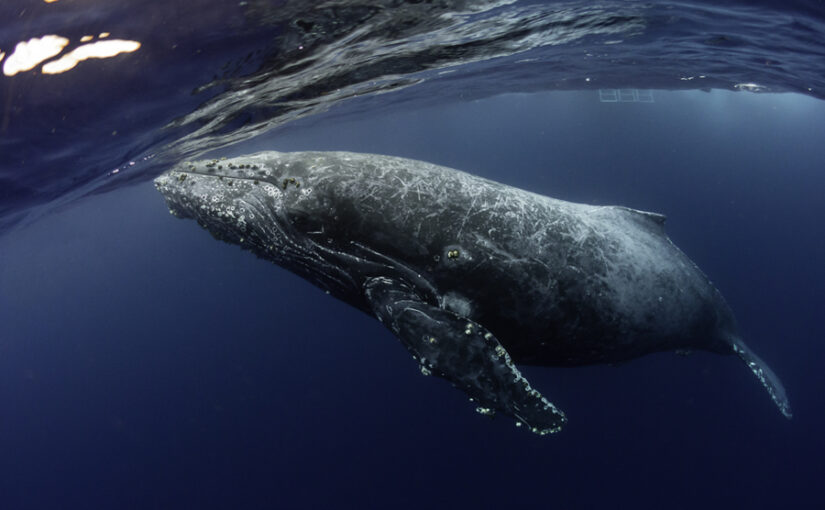
From late January to late March, humpback whales migrating south from the northern seas can be seen in the waters off Kumejima.
From the boat while divingBleachingYou might even get to see them, making it a special experience unique to Kumejima in winter.
Depending on sea conditions, there are also boats that specialize in whale watching, so why not give that a try as well?
Kumejima Whale Watching Tour
Click here to see the ranking
Kumejima Whale Watching Tour
▼Check out our recommendations here▼
▼Click here for more information on whale watching▼
Things to Keep in Mind When Diving in Kumejima
Accidents and Precautions
Kumejima is popular for its beautiful ocean, but when it comes to diving,Risk of AccidentsIt's a given.
To ensure you can enjoy yourself with peace of mind, let’s go over some key points to keep in mind.
Trends Based on Past Accident Cases
In diving accidents in Okinawa, there have been cases where divers were swept away by currents and lost sight of, as well as incidents involving problems while the boat was moving or during boarding and disembarking,Feeling unwellCases have been reported where this is the cause.
Since Kumejima is a remote island, there are many spots where the currents change drastically, so you can never let your guard down.
It's important to take care of your health beforehand and follow the briefing instructions carefully.
Precautions at Spots with Strong Currents
At dive sites like Tonbara that face the open ocean, the currents areSuddenly Getting StrongerThat happens sometimes.
To ensure your safety and enjoyment, please keep the following points in mind.
◆Don't fight the current; don't force yourself to swim
◆ Always check your tire pressure
If you don't have much experience, start byA spot with a gentle currentWe recommend starting with this.
Enjoy Safe Manta Ray Diving in Kumejima
Things to Enjoy

With a proper understanding of the risks of accidents,Rules and EtiquetteAs long as you follow these rules, the waters around Kumejima are a very safe place to enjoy.
Finally, here’s a summary of the key points.
Follow the rules of the Safety Measures Cooperation Association
The Kumejima Diving Safety Measures Cooperation Association is working to protect Manta Station byKumejima Rules for Manta Ray Watching...is stipulated.
It's important for every diver to follow these rules.
◆Do not touch the manta rays
◆Don't chase manta rays
◆Don't blow bubbles at manta rays
◆If there are manta rays, be sure to let the line sink to the bottom to check, etc.
These are the rules guest divers should follow, but there are alsoHow to AnchorRules for businesses have also been established.
To ensure that manta rays continue to visit Kumejima for years to come, let’s all—guests and shop staff alike—make sure to follow the rules.
Appropriate for their level
Choosing a Plan and Points
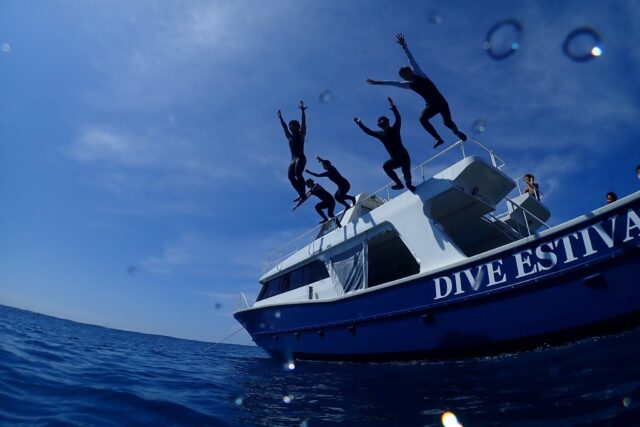
If you have a license, explore the Manta Point areaRecreational Diving PlansThere, you can enjoy the ocean around Kumejima to your heart's content.
If you choose a tour led by an experienced guide, you can dive with confidence even at a new dive site!
If you do not have a license, please start byExperience DivingWhy not give it a try?
About Manta Ray Diving in Kumejima
Frequently Asked Questions (FAQ)
Thanks to the discovery of “Manta Station,” Kumejima is an island where you can easily spot manta rays year-round. The winter season—from December through March—is especially recommended because the water tends to be clearer during this time, and you’ll have more chances to encounter other large marine creatures, such as hammerhead sharks.
While you need to be careful at sites with strong currents, such as Tonbora, you can enjoy diving with peace of mind as long as you follow the rules set by the Kumejima Diving Safety Association and heed the instructions of experienced guides. Be sure to follow basic safety precautions, such as staying close to your buddy and checking your air supply frequently.
If you have a diving certification, you can fully explore Manta Point on a recreational dive. Even if you don’t have a certification, you can still enjoy an encounter with manta rays by taking a trial dive.
summary
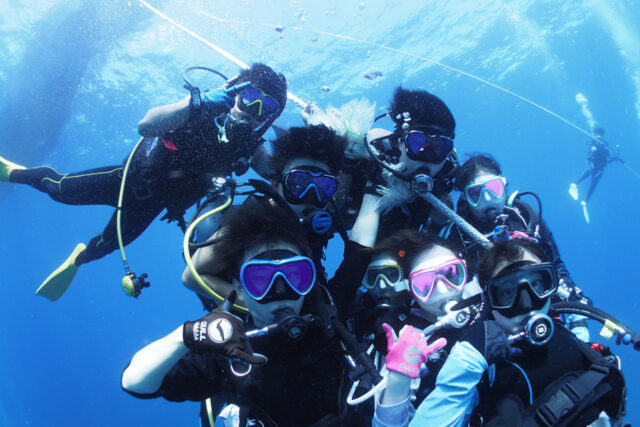
Kumejima is home to a variety of attractive dive sites, including “Manta Station,” where you can see manta rays year-round, as well as Tonbara and Imazuni.The Ocean Every Diver Dreams OfIt is.
While you can look forward to encounters with large marine creatures such as sea turtles and whale sharks, there are also spots with strong currents, so please be sure to follow the rules and enjoy yourself safely.
We hope you’ll create unforgettable memories of manta ray diving on Kumejima.
▼Click here for articles to read in conjunction with this article.